

Waimea Valley Botanical Garden: A Mobility Scooter Accessible Paradise in Oahu, Hawaii
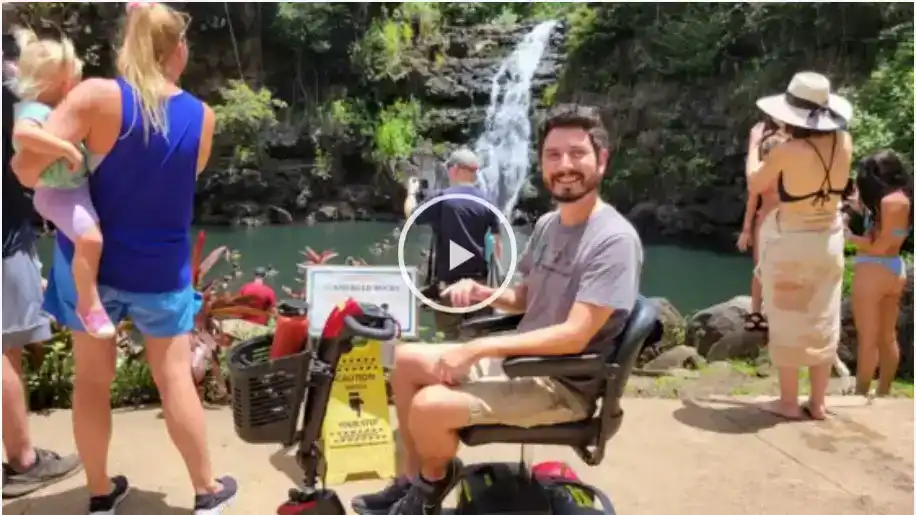

Aloha, UGo Family! Nestled on the North Shore of Oahu, Waimea Valley Botanical Garden is a breathtaking oasis that offers a perfect blend of natural beauty, cultural heritage, and accessible adventures. This lush 1,875-acre valley is home to a diverse array of native Hawaiian plants, historical sites, and a stunning waterfall, all of which can be easily explored with a mobility scooter or wheelchair. Whether you’re a nature lover, a history enthusiast, or simply looking for a peaceful retreat, Waimea Valley provides a serene and accessible paradise for visitors of all ages and abilities.
Discovering Waimea Valley: A Journey Through Nature and History
Waimea Valley is more than just a botanical garden; it’s a living museum that preserves and celebrates Hawaii’s rich cultural and natural heritage. The valley has been a sacred place for over 700 years, once home to Hawaiian high priests and royalty. Today, it stands as a testament to the island’s history, offering visitors a unique opportunity to connect with the land, the culture, and the spirit of Hawaii.


The Botanical Gardens: A Feast for the Senses
As you enter Waimea Valley, you’re greeted by an array of vibrant flowers, towering trees, and the soothing sounds of birdsong and flowing water. The botanical garden is home to over 5,000 species of tropical and subtropical plants, many of which are rare or endangered. The garden is meticulously designed, with accessible pathways that allow visitors to explore its many themed areas, including collections of native Hawaiian plants, Polynesian introductions, and flora from around the world.Native Hawaiian Plant Collection
One of the highlights of the garden is the Native Hawaiian Plant Collection, which showcases the unique flora of the islands. These plants have played a significant role in Hawaiian culture for centuries, used for everything from medicine to building materials. As you explore this section, you’ll gain insight into the deep connection between the Hawaiian people and their natural environment. The smooth, wide paths make it easy to navigate through this area on a mobility scooter, allowing you to fully immerse yourself in the experience.
Themed Gardens and International Collections
Beyond the native plants, Waimea Valley features themed gardens that represent different regions of the world. From the lush tropical rainforest section to the fragrant hibiscus garden, each area offers something unique. The garden’s design ensures that visitors using mobility devices can comfortably explore these diverse ecosystems. Information plaques are placed at accessible heights, so you can learn about the plants and their significance without any difficulty.
Cultural Sites and Ancient Ruins: A Glimpse into Hawaii’s Past
Waimea Valley is also rich in cultural heritage, with several ancient Hawaiian sites located within its grounds. These include heiau (temples), stone terraces, and agricultural complexes that date back hundreds of years. As you traverse the valley, you’ll come across these historical sites, each telling a story of the people who once lived and thrived here.
The Hale O Lono Heiau
One of the most significant cultural sites in the valley is the Hale O Lono Heiau, an ancient temple dedicated to Lono, the Hawaiian god of agriculture, fertility, and peace. The heiau is located along an accessible path, allowing you to easily visit this sacred site and learn about its historical importance. Interpretive signs provide detailed information about the heiau and its role in Hawaiian society, enriching your understanding of the island’s cultural history.
Cultural Demonstrations and Events
Waimea Valley is not just a place to observe history; it’s a place to experience it. The valley frequently hosts cultural demonstrations, such as hula performances, traditional Hawaiian games, and craft-making sessions. These events are held in accessible areas, ensuring that all visitors can participate and enjoy. The friendly staff and cultural practitioners are always eager to share their knowledge and aloha with guests, making your visit both educational and enjoyable.


The Majestic Waimea Falls: A Rewarding Accessible Adventure
One of the main attractions at Waimea Valley is the stunning Waimea Falls (also known as Waihi Falls). The falls are located at the end of a scenic, paved path that winds through the valley’s lush gardens and cultural sites. This 3/4-mile trail is fully accessible, making it easy for mobility scooter and wheelchair users to reach the falls.
The Accessible Path to Waimea Falls
The path to Waimea Falls is designed with accessibility in mind, featuring gentle slopes, smooth surfaces, and plenty of shaded rest areas along the way. As you make your way to the falls, you’ll be surrounded by the beauty of the valley, with opportunities to spot native birds, butterflies, and other wildlife. The journey to the falls is as much a part of the experience as the destination itself, offering a peaceful and immersive connection with nature.
Enjoying the Falls Up Close
Once you reach the falls, you’ll find an accessible viewing area where you can take in the breathtaking sight and sound of the cascading water. For those who wish to cool off, the pool at the base of the falls is open for swimming, and lifeguards are on duty to ensure safety. While the swimming area is not accessible for mobility devices, the viewing platform provides an excellent vantage point to enjoy the natural beauty of the falls.
Accessibility Features at Waimea Valley: Thoughtful Design for All Visitors
Waimea Valley is committed to ensuring that all visitors can enjoy its beauty and serenity, regardless of mobility challenges. The valley’s accessible design extends beyond the pathways to include several key features that enhance the experience for everyone.
Parking and Entrance
Waimea Valley offers ample accessible parking spaces located close to the entrance. The parking lot is flat and paved, making it easy to unload and load your mobility scooter or wheelchair. The entrance to the valley is fully accessible, with smooth ramps leading up to the ticketing area and visitor center.
Visitor Center and Facilities
The visitor center is equipped with accessible restrooms and drinking fountains, ensuring that you have everything you need for a comfortable visit. The center also offers accessible seating areas where you can relax before or after your exploration of the valley. If you have any questions or need assistance, the staff at the visitor center are always happy to help.
Guided Tours and Mobility Assistance
For visitors who prefer a more guided experience, Waimea Valley offers mobility scooter and wheelchair-accessible tours led by knowledgeable guides. These tours provide a deeper understanding of the valley’s history, culture, and natural beauty, all while ensuring that accessibility needs are met. The guides are trained to accommodate visitors with mobility challenges, making the tour both informative and enjoyable.


Nearby Attractions: Enhancing Your North Shore Experience
Waimea Valley is ideally located on Oahu’s North Shore, an area known for its stunning beaches, world-class surfing, and laid-back vibe. After exploring the botanical garden, consider visiting some of the nearby attractions that are also accessible and offer unique experiences.
Waimea Bay Beach Park
Just a short drive from Waimea Valley is Waimea Bay Beach Park, one of Oahu’s most famous beaches. The park features accessible pathways and beach wheelchairs, making it possible for everyone to enjoy the sun and surf. During the winter months, the bay is known for its massive waves, attracting surfers from around the world. In the summer, the waters are calm and perfect for swimming or snorkeling.
Haleiwa Town
A visit to the North Shore wouldn’t be complete without stopping in Haleiwa, a charming town known for its surf culture, art galleries, and local eateries. Many of the shops and restaurants in Haleiwa are accessible, making it easy to explore the town at your own pace. Be sure to try some local favorites like shave ice or garlic shrimp from one of the many food trucks.


Dole Plantation
On your way back from Waimea Valley, consider stopping at the Dole Plantation. This popular attraction offers accessible tours of the pineapple fields, a train ride through the plantation, and a chance to explore the world’s largest pineapple maze. The plantation is fully equipped to accommodate mobility scooters and wheelchairs, ensuring a fun and educational experience for all visitors.
Personalized Tips for UGo Mobility Customers
To make the most of your visit to Waimea Valley, here are a few personalized tips specifically for UGo Mobility customers:
Battery Check: Waimea Valley is expansive, so make sure your mobility scooter or wheelchair is fully charged before your visit. This will ensure you can explore the entire valley without worrying about your battery running low.
- Comfortable Clothing: Wear lightweight, breathable clothing and sturdy shoes suitable for walking or rolling on the garden paths. Don’t forget to bring a hat, sunglasses, and sunscreen to protect yourself from the tropical sun.
- Stay Hydrated: Hawaii’s warm climate can be dehydrating, especially when exploring outdoors. Bring a refillable water bottle, and take advantage of the accessible drinking fountains located throughout the valley.
- Plan Your Day: To avoid the midday heat, consider visiting Waimea Valley in the morning or late afternoon. The valley is less crowded during these times, allowing you to enjoy a more peaceful experience.
- Engage with the Staff: The staff at Waimea Valley are incredibly knowledgeable and friendly. If you have any questions about accessibility or need assistance, don’t hesitate to ask. They’re there to ensure your visit is enjoyable and stress-free.

Conclusion: A Mobility Scooter Accessible Paradise in Oahu
Waimea Valley Botanical Garden is truly a paradise for anyone looking to experience the natural beauty and cultural richness of Oahu in an accessible way. With its carefully designed pathways, accessible facilities, and commitment to inclusion, the valley ensures that all visitors, including those using UGo Mobility scooters and wheelchairs, can fully immerse themselves in the experience. Whether you’re exploring the vibrant botanical gardens, learning about Hawaii’s cultural heritage, or simply enjoying the tranquility of the waterfall, Waimea Valley offers something for everyone. Combined with nearby North Shore attractions and personalized tips, your visit to this accessible paradise will undoubtedly be a highlight of your Oahu adventure. So, charge up your UGo Mobility scooter, pack your aloha spirit, and get ready to explore the lush landscapes and rich history of Waimea Valley — a truly accessible gem in the heart of Hawaii.Top 5 FAQs – Waimea Valley and Falls
Is Waimea Valley wheelchair and mobility scooter accessible?
Yes. Waimea Valley offers paved, wide pathways, gentle slopes, accessible restrooms, and a viewing deck at Waimea Falls. Visitors using mobility scooters or wheelchairs can comfortably explore the botanical gardens, cultural sites, and waterfall trail.
How long is the walk or scooter ride to Waimea Falls?
The paved trail to Waimea Falls is about ¾ mile each way. It’s designed with accessibility in mind, making it easy for guests using scooters or wheelchairs to enjoy the scenic path with shaded rest stops along the way.
What accessible features does Waimea Valley provide for seniors?
Waimea Valley offers accessible parking, restrooms, seating areas, and guided tours tailored for seniors and guests with mobility needs. The smooth, paved paths make it ideal for senior travelers using wheelchairs or mobility scooters in Oahu.
Can I rent a mobility scooter for Waimea Valley in Oahu?
Yes. UGo Mobility provides mobility scooter rentals and wheelchair rentals with free delivery across Oahu, including to Waimea Valley. Booking in advance ensures you have the right equipment for your North Shore adventure.
What else can mobility scooter users do near Waimea Valley?
Nearby accessible attractions include Waimea Bay Beach Park (with beach wheelchairs), Haleiwa Town (with accessible shops and dining), and the Dole Plantation, which offers wheelchair and scooter-friendly tours.